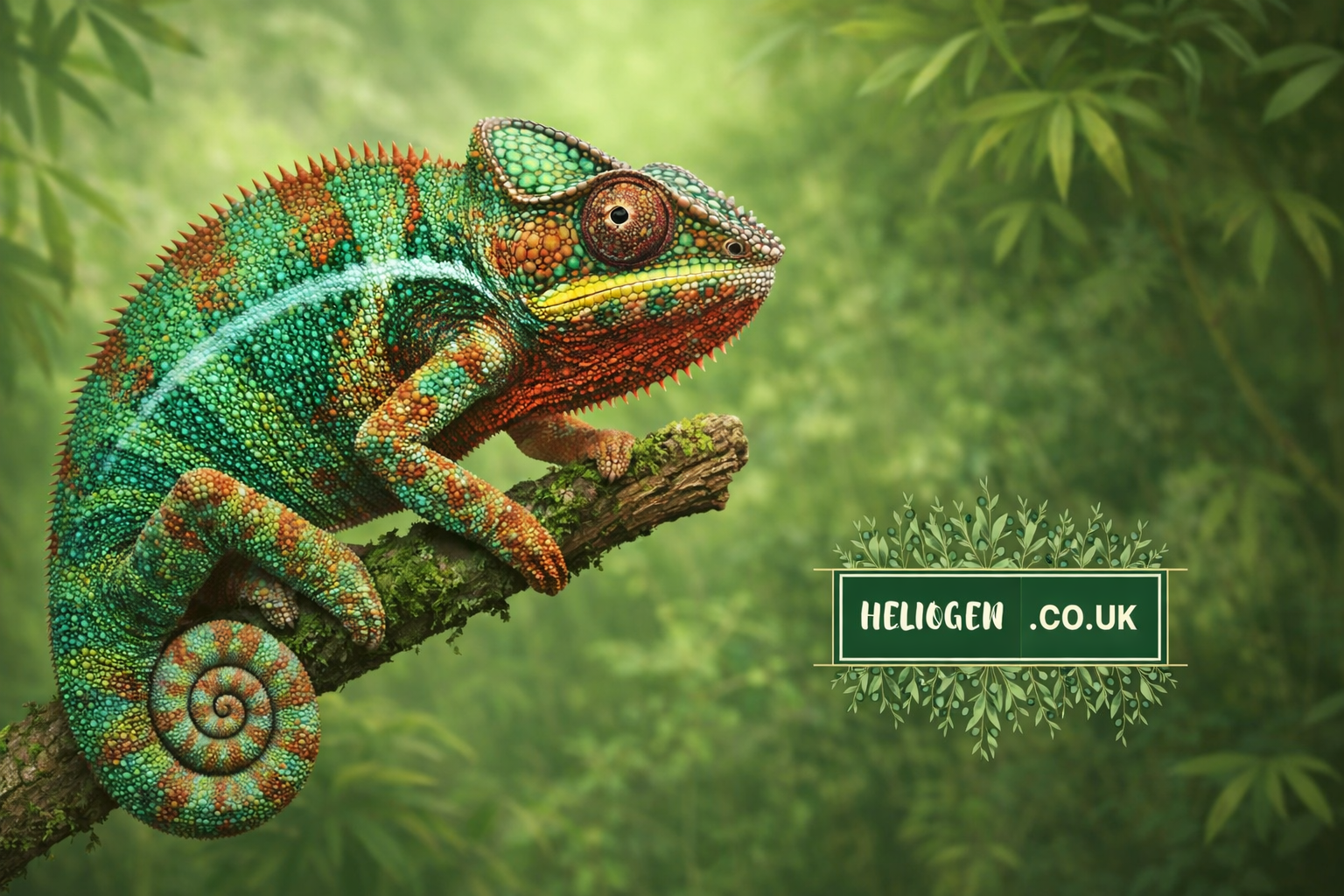

Chameleónovité captivate many people around the world. These lizards change colors in amazing ways. They live in diverse places. This article explores their world.
Scientists call them the Chamaeleonidae family. Over 200 species exist. Most come from Africa and Madagascar. Some appear in Europe and Asia too.
What Are Chameleónovité?
Chameleónovité refer to a special group of reptiles. They belong to the lizard family. People know them as chameleons.
These creatures evolved over millions of years. Fossils date back to the Paleocene era. That is about 58 million years ago. They started in Africa.
Today, they show incredible skills. Their eyes move independently. This gives them a full view of surroundings. They spot prey easily.
Their tongues shoot out fast. They catch insects in a blink. The tongue can be twice as long as their body.
Physical Features of Chameleónovité
Chameleónovité have unique bodies. Sizes vary a lot. The smallest is Brookesia nana at 22 mm. The largest reaches 68.5 cm.
Their feet grip like tongs. Toes group in twos and threes. This helps them climb trees.
Tails act like a fifth limb. They curl around branches. This keeps them steady.
Some have horns or crests. Males often show more ornaments. For example, Trioceros jacksonii has three horns.
Skin holds the magic. It has special cells. Chromatophores and iridophores change colors. Guanine crystals reflect light.
Bones even glow under UV light. This might help in signaling.
Color-Changing Wonders
Color change is famous in chameleónovité. It’s not just for hiding. They use it for talking too.
Bright colors show anger. Dark ones mean submission. They adjust for heat as well.
Forest types have vivid hues. Desert ones stick to browns.
The process uses nanocrystals. Muscles shift them. Light bounces differently.
This adaptation aids survival. Predators miss them. Mates find them.
Studies show it’s more about mood than camouflage. National Geographic explains this well.
Habitats and Distribution of Chameleónovité
Chameleónovité thrive in warm areas. Most live in sub-Saharan Africa. Half the species call Madagascar home.
They adapt to rainforests. Some prefer deserts. Others like savannas or mountains.
Arboreal types climb trees. Ground-dwellers hide in leaves. Brookesia genus stays low.
Introduced populations exist. Hawaii and Florida have them. But they can become invasive.
Climate change threatens homes. Habitat loss is a big issue.
For more on global distribution, check Chameleon Wikipedia.
Key Regions for Chameleónovité
Africa hosts many. Madagascar has unique ones. Europe sees the common chameleon.
Asia has a few. Southern parts mainly.
Highlands suit some. Lowlands fit others.
Diversity peaks in tropics. Rain helps them.
Environmental Adaptations
They handle dry spells. Some drink dew.
Trees provide cover. Bushes offer food.
Ecosystems rely on them. They control insects.
Behaviors in the World of Chameleónovité
Chameleónovité act in clever ways. They sway when walking. This mimics leaves.
They hunt during day. Eyes scan for bugs.
Social cues use colors. Males fight with bright displays.
Defense includes puffing up. They hiss too.
UV light boosts activity. It aids feeding and breeding.
Hunting Techniques
Tongues launch quick. Power exceeds 3000 W/kg.
They aim with eyes. Depth perception helps.
Diet includes crickets. Larger ones eat birds.
Veiled chameleons add leaves.
Social Interactions
Males defend turf. Colors signal strength.
Females choose mates. Bright ones win.
Groups form rarely. Most live alone.
Diet and Nutrition for Chameleónovité
Chameleónovité eat mostly insects. Small ones stick to ants.
Big species hunt lizards. Some nibble plants.
They need vitamins. UV helps make D3.
In captivity, dust food with calcium.
Wild ones forage daily. They bask for energy.
Common Foods
- Crickets
- Mealworms
- Flies
- Snails
Variety keeps them healthy.
Feeding Tips
Feed live prey. It stimulates hunting.
Avoid overfeeding. It causes issues.
Hydrate with mist. They lick drops.
Reproduction Among Chameleónovité
Chameleónovité lay eggs mostly. Some give live birth.
Females dig holes. They bury clutches.
Eggs hatch after months. Up to 660 days for some.
Temperature affects sex. Warmer makes males.
No parental care. Young fend alone.
Breeding Cycles
Mating happens in seasons. Colors attract partners.
Gestation varies. Live births in cooler areas.
Clutches range from 2 to 200.
Challenges in Reproduction
Habitat loss hurts nesting. Predators eat eggs.
Conservation breeds them. It helps numbers.
Species Diversity in Chameleónovité
Over 200 species exist. Genera include Chamaeleo.
Furcifer has colorful ones. Brookesia are tiny.
Madagascar holds half. Endemics thrive there.
Some have horns. Others crests.
Popular ones: Veiled, Panther, Jackson’s.
For detailed species info, see Daily On Mail Chameleonovite.
Notable Species
- Veiled Chameleon: Casque on head.
- Panther Chameleon: Vivid patterns.
- Jackson’s Chameleon: Three horns.
- Pygmy Chameleon: Leaf-like.
Each adapts uniquely.
Rare and Endangered
Many face threats. Small ranges hurt them.
IUCN lists some as vulnerable.
Conservation Efforts for Chameleónovité
Habitat destruction harms chameleónovité. Logging and farming reduce homes.
Pet trade pressures wild stocks. Regulations help.
Breeding programs save species. Zoos participate.
Support groups protect areas. Education raises awareness.
Climate shifts alter ranges. Warmer temps stress them.
Ways to Help
- Donate to wildlife funds.
- Buy captive-bred pets.
- Avoid wild-caught.
- Plant native trees.
Actions make a difference.
Success Stories
Madagascar reserves work. Populations stabilize.
Research tracks health. It informs policies.
Chameleónovité as Pets
Many keep chameleónovité. They need care.
Tall cages mimic trees. Add branches and plants.
Temperature gradients matter. Hot and cool sides.
UV lights are essential. Misting provides water.
Handle gently. Stress hurts them.
For pet tips, visit Vents Magazine Chameleonovite.
Setup Guide
- Choose enclosure: 2x2x4 feet min.
- Heat lamp: 85-95°F basking.
- UVB bulb: 10-12 hours daily.
- Diet: Gut-loaded insects.
- Vet checks: Yearly.
Follow these for happy pets.
Common Mistakes
Overhandling stresses. Poor lighting causes bones issues.
Wrong humidity leads to sheds problems.
Research before buying.
Evolutionary History of Chameleónovité
Chameleónovité trace to Cretaceous. Over 100 million years old.
They split from other lizards. Adaptations grew over time.
Fossils in China show early forms. Africa was cradle.
Diversification happened in Eocene. Migrations to islands.
Genes reveal relations. Recent studies update trees.
Key Milestones
- Origin: Africa.
- Spread: Rafting to Madagascar.
- Adaptations: Tongue evolution.
History shapes them today.
Modern Insights
DNA analysis groups them. Two subfamilies: Brookesiinae and Chamaeleoninae.
More discoveries await.
Cultural Significance of Chameleónovité
Chameleónovité inspire stories. They symbolize change.
In Africa, proverbs use them. Adaptability is key.
Art shows their colors. Movies feature them.
Pop culture loves camouflage. Legends call them magical.
They teach lessons. Nature’s wonders amaze.
In Media
Films like “Rango” star them. Books describe habits.
Symbols in logos. Versatility appeals.
Health and Parasites in Chameleónovité
Wild chameleónovité face parasites. Nematodes and protozoans.
Coccidia common. Trypanosoma too.
Pet ones need clean homes. Vets treat issues.
Bones fluoresce. It might signal health.
UV aids immunity. Proper care prevents ills.
Prevention Tips
- Quarantine new ones.
- Clean regularly.
- Balanced diet.
Health ensures longevity.
Future of Chameleónovité
Research grows on chameleónovité. Tech studies color tech.
Bio-mimicry uses their skin. For materials.
Conservation needs more. Habitats must protect.
Climate models predict shifts. Actions now help.
They remain icons. Study preserves them.
Conclusion: Embracing the World of Chameleónovité
Chameleónovité offer endless wonder. Their adaptations inspire. From color shifts to swift tongues, they excel.
Habitats span globe. Behaviors fascinate. Conservation safeguards them.
As pets, they reward care. Evolution tells their story.
In summary, chameleónovité embody nature’s ingenuity. They adapt and thrive.
What aspect of chameleónovité intrigues you most?
References
- Wikipedia on Chameleons – Comprehensive overview of biology and distribution.
- Daily On Mail: Chameleonovite Guide – Details on species, care, and adaptations.
- Vents Magazine: Exploring Chameleon Species – Insights into behaviors, habitats, and conservation.