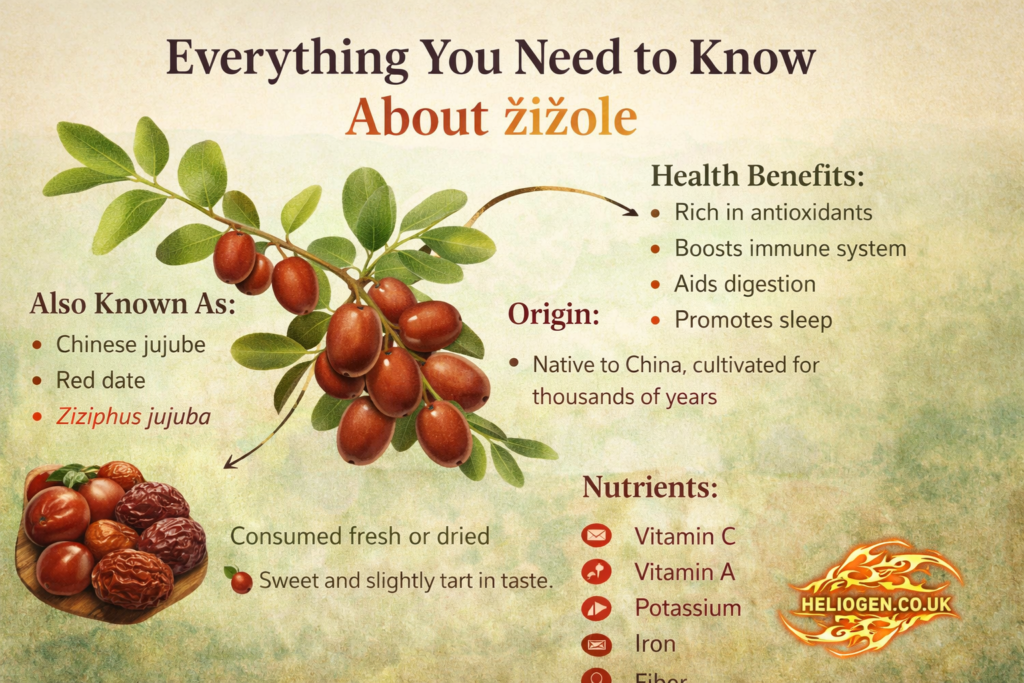
žižole is a small, sweet fruit packed with goodness. People call it jujube or Chinese date too. It grows on a tough tree and brings big value to your plate and garden.
You see žižole ripen in late summer. The fruit starts green and crisp. It turns reddish-brown when ready. Fresh ones taste like apples. Dried ones feel chewy like dates.
This fruit comes from strong roots. It fits many diets and lifestyles. Families across regions enjoy it fresh or stored. You can add žižole to meals easily.
The Rich History of žižole
žižole has traveled far over time. Its story starts more than 4,000 years ago in China. Farmers there grew the trees first.
Trade routes carried the fruit to new lands. It reached the Middle East and southern Europe. Ancient Greeks and Romans used it in medicines. They valued it for digestion and breathing help.
In the Mediterranean, žižole became part of daily life. Coastal families planted trees in gardens. These trees stood for stability and good fortune. Many still grow in Croatia, Montenegro, and Italy today.
How žižole Spread Across Cultures
People shared seeds and knowledge. The tree adapted to rocky soil and dry weather. It survived where other plants failed.
Today you find žižole in markets and festivals. Harvest celebrations happen each autumn. Families gather to pick and enjoy the fruit together.
Cultural Significance of žižole
žižole means more than food in many places. It links generations in family gardens. Trees often live over 100 years. They watch children grow into adults.
In Dalmatian towns, you spot žižole at local markets. People make jams and share recipes. Festivals feature tastings and songs about the harvest.
The fruit stands for resilience. It grows in tough conditions yet gives sweet rewards. Many see it as a symbol of nourishment and continuity.
You can plant one tree and create your own tradition. It connects you to ancient practices while fitting modern life.
Health Benefits of žižole
žižole offers strong nutrition in every bite. It holds high levels of vitamin C. One hundred grams can give more than a lemon. This boosts your immune system fast.
Antioxidants inside fight daily stress on cells. They help repair damage and keep you feeling young. Dietary fiber supports smooth digestion. It eases constipation and feeds good gut bacteria.
Potassium and magnesium calm your heart and muscles. You get steady energy without big sugar spikes. Many use žižole to relax before bed. Traditional healers recommend it for calm sleep and less worry.
Key Ways žižole Supports Your Body
- Immune boost: Vitamin C helps fight colds and speeds healing.
- Digestion aid: Fiber keeps things moving and soothes the stomach.
- Heart health: Minerals balance blood pressure and improve flow.
- Stress relief: Natural compounds relax nerves and improve rest.
- Bone and skin care: Calcium plus vitamin C builds strength and glow.
Eat a handful daily for steady benefits. Dried or fresh both work well.
How to Grow žižole at Home
You can grow žižole with little effort. The tree loves sun and handles drought. It fits small yards or pots on balconies.
Start with these simple steps. Choose a sunny spot first. Give it six to eight hours of light each day.
Use well-drained soil. Sandy or loamy types work best. Add compost for extra nutrients.
Water deeply but not often. Young trees need moisture to start. Mature ones manage on their own.
Prune in late winter. Remove dead branches and shape the tree. This brings more fruit later.
žižole trees resist pests and cold down to minus fifteen degrees Celsius. They fruit after two or three years. Yields grow bigger each season.
Tips for Success With žižole
Watch for aphids on new leaves. Neem oil handles them safely.
Plant in spring for best roots. Protect from heavy frost the first winter.
Container growing works great in cities. Move pots inside if needed.
Your tree will reward you with harvests for decades. It needs almost no care once settled.
Everyday Uses and Recipes for žižole
Enjoy žižole fresh right from the branch. Slice it into salads for crisp texture. Pair with cheese for a quick snack.
Dry the fruit for long storage. Use it in teas for gentle calm. Steep a few pieces in hot water. Add ginger or cinnamon if you like.
Make jams or marmalades. Cook with a bit of honey. Spread on toast or stir into yogurt.
Bake žižole into breads and cakes. The sweet flavor blends nicely. Or soak dried ones and add to trail mixes.
Simple Step-by-Step Recipe Ideas
- Fresh snack: Rinse žižole. Eat as is for natural sweetness.
- Calming tea: Boil water. Add five dried fruits. Steep ten minutes. Drink warm.
- Quick jam: Chop ripe žižole. Simmer with honey until thick. Store in jars.
These ideas fit busy days. You control the ingredients and enjoy fresh taste.
Common Questions About žižole
What does žižole taste like? Fresh ones feel crisp like apples. Dried ones turn chewy and caramel-sweet.
Is žižole good for daily eating? Yes. Its fiber and vitamins support energy and health without extra calories.
Can I grow žižole in a pot? Absolutely. Pick a large container and place it in full sun.
How long do trees live? Many reach over one hundred years with basic care.
Where can I buy žižole? Check farmers markets, Asian stores, or online for fresh and dried options.
Conclusion
žižole brings history, health, and simple joy together. This tough fruit grows easily and nourishes well. You gain vitamins, calm, and sweet treats from one small tree.
Start with a plant or try dried žižole today. Your body and garden will thank you.
What will you try first with žižole—growing it or adding it to tea? Share your plans below.



Leave a Reply